By: Mehlab Kamber Baloch
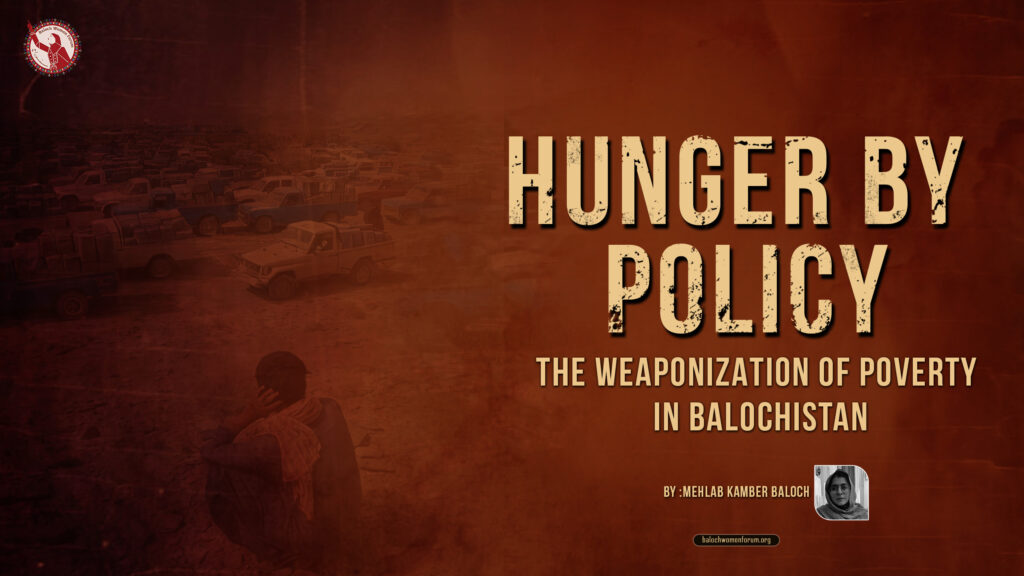
It has been more than three months since the Pak-Iran border was closed. The people of Balochistan, particularly those in the border areas, are experiencing a drastic decline in their incomes due to this prolonged closure. Nearly 90 percent of Mand’s population, located along the Iran border, depends on border trade and labor for their livelihood. All of this has come to a sudden and extended halt.
This Eid turned into days of despair for hundreds of families across Balochistan because of the continued border shutdown. People have expressed deep anguish after spending three months in hunger without earning a single penny. They spent Eid without new clothes, shoes, or other basic necessities. Many families barely managed to feed their children two meals a day. Several have been forced to withdraw their children from school, unable even to replace broken shoes.
A pickup driver from Mand explained that his vehicle had been parked for months, rendered useless by the closure and the unaffordable fuel prices. He cannot simply switch careers because he does not have the skills to run a shop or work in construction. In these harsh times, no one is buying vehicles because of the rising fuel costs. Hunger has severely affected the people. Pickup cars remain parked, transportation has slowed down, and personal mobility has come to a standstill. Public transport fares have increased. Even during Eid, marketplaces were unusually empty. The rising prices of essential items like vegetables have made it impossible for families to afford even one kilogram of tomatoes.
A heartbreaking video went viral on social media, showing a man crying and pleading for the border to reopen so he could feed his starving children.
This appears to be a deliberate effort to starve the Baloch people. It seems like an indirect attempt to break them economically and emotionally. The state appears to be targeting Baloch livelihoods from every direction. The border was a lifeline for thousands, their only means of earning and feeding their families. Closing it has paralyzed a large part of Balochistan.
At its core, this seems to be a calculated strategy to push people into desperation. It makes them vulnerable and easier to manipulate. When a person has been hungry for days, he may be forced to do anything for a piece of bread. This may be a new tactic to exploit poverty and hunger as tools of control.